
Who’s the Boss?
Brief Musings About Personal Authority

Carol, my little terrier, curates our walks. A few months ago, around 6:30 in the morning, she darted past the post where she usually first pees. We headed in an unusual direction: Little Havana, it seemed. She usually takes me to that neighborhood once or twice a year. I hesitated to let her guide me there so early, as I didn’t know whose path we would cross in the dark I-95 underpass that connects my area to that part of Miami. For once, I objected. Saying that I dragged her toward the Miami River would overstate things. Yet I led the way. We walked along the water, lit up by the bridges spanning Brickell and Downtown Miami.
Despite her eleven pounds, Carol rules over me. The streets of Miami are her domain. And I—a human many, many times her size—am her underling. She is “the boss,” as my mother puts it. My foolishness in letting her run my life amuses me, and I’m musing over why I do so.
When is it wise to let others lead us, and when isn’t it?

That morning, the prospect of an unsavory encounter in the I-95 underpass compelled me to put my foot down. Danger was a strong reason for setting limits on Carol’s ways. Likewise, whether it’s physical or verbal, abuse weakens us. And boundary-setting can pave the path to personal empowerment. We cut off people whose actions harm us, and in so doing, we create the possibility of growing. Yet, there must be other considerations in life besides safety in determining how to claim personal authority.
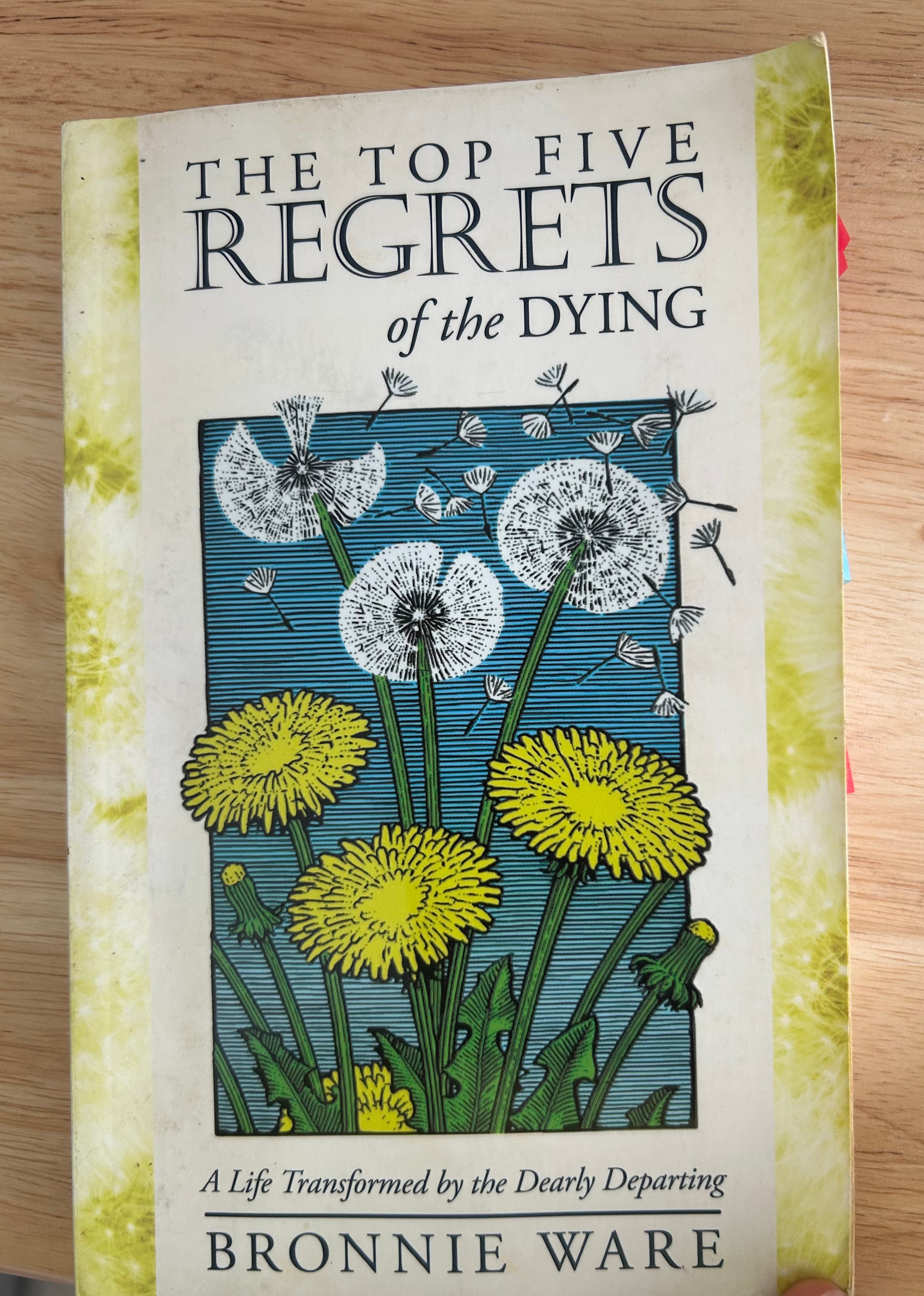
All too often, we slip into letting others’ expectations about us govern the course of our lives. In her Top Five Regrets of the Dying, Bronnie Ware identifies not having lived authentically as a common regret people express on their deathbeds. As she phrases this regret: “I wish I’d had the courage to live a life true to myself, not the life expected of me.” I’ve experienced this longing firsthand: writing outside the bounds of academic philosophy once felt off-limits. But thanks to Ware’s book and others, I’ve pushed past that sense of limitation and embraced a different path, writing both specialist articles and works for a wider audience.
These observations apply to individuals and to collectives. Fascism takes hold of a nation when we relinquish our authority. Oppression strengthens when we fail to resist it. Socrates said he was a “gadfly,” awakening the citizens of Athens from their sleepy ways and inviting them to lead more examined lives. Philosophy is one invitation among many to awaken ourselves as individuals and as groups. When we realize that our very existence is threatened or that we’re coasting along, letting the will of others dictate our lives, we can act.
Becoming the “boss” of one’s own life or strengthening a community is no excuse to trample over others. We have duties to those around us—in particular, satisfying moral obligations. I’d add that we must also care for other living beings and the natural world. We need to hold ourselves to ethical conduct as a society. Our goals are often shared with others, and cultivating a strong friendship, partnership, or country requires some give-and-take.
There’s no formula for striking the right balance between personal authority and negotiation. Achieving this is often hard-won. That’s true of my relationship with Carol: next time we head in a new and promising direction, I’ll let her lead the way!
Really solid exploration of how boundaries shift based on context. The fasicsm comparison ties it together nicely because it shows how personal authority scales from everyday choices to collective resilience. Dealt with a client situation last month where I kept deferring to their prefrence even when it compromised the project, and recognizing that pattern was wild.
I absolutely loved the article. At home, we also have a little dog named Nieve, and from time to time we call her “Her Majesty,” because she truly seems to run the household. In the end, though, she’s just a 9-pound dog, and we can’t really expect too much from her.
As humans, however, I completely agree that being the boss is not an excuse to trample over others. On the contrary, it’s a reason to be more mindful of our actions, to lead by example, and to protect those around us.